Preparing a home for bed bug heat treatment requires careful planning and execution. Specialists recommend a systematic approach to assure maximum effectiveness.
This involves decluttering, organizing belongings, and optimizing the heating system. Understanding the nuances of this preparation can greatly impact the outcome.
As homeowners begin this journey, knowing the critical steps to take can make all the difference. What essential actions should be prioritized to guarantee a successful treatment?
Preparing a home for heat treatment against bed bugs requires careful planning and organization. Homeowners should begin by decluttering the affected areas, removing personal items such as clothing, toys, and bedding. These items should be washed in hot water and dried on high heat to eliminate any hidden pests.
Furniture should be moved away from walls, allowing technicians easy access to all surfaces. It is also essential to vacuum carpets and upholstery thoroughly, disposing of the vacuum bag immediately to prevent reinfestation. Additionally, electronics, plants, and items sensitive to heat should be removed from the treatment area.
Pets must be relocated to a safe environment away from the treatment zone. Finally, homeowners should guarantee that the treatment space is well-ventilated, allowing for effective heat circulation. Following these steps will help maximize the effectiveness of the heat treatment process.
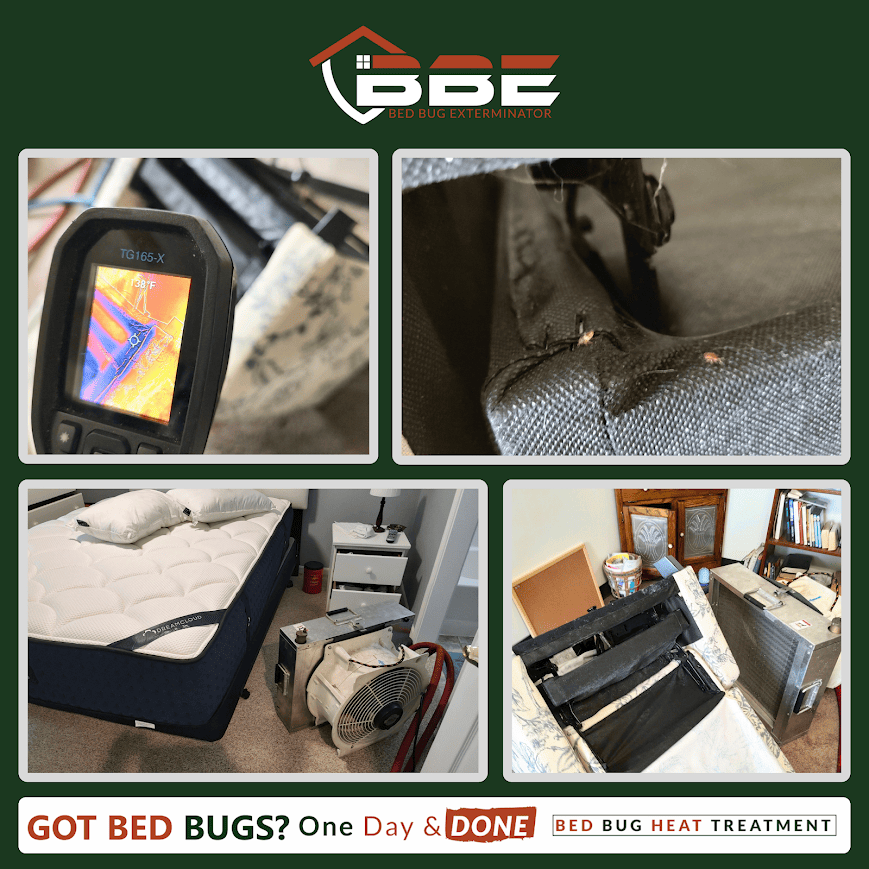
Heat treatment serves as a highly effective method for eradicating bed bugs, capitalizing on their vulnerability to elevated temperatures. This approach involves raising the ambient temperature of infested areas to levels that are lethal to bed bugs, typically between 120°F and 140°F.
Unlike traditional chemical treatments, which may require multiple applications and can lead to resistance, heat treatment targets all life stages of bed bugs-eggs, nymphs, and adults-simultaneously. Additionally, heat treatment is a safe and eco-friendly option, minimizing the need for harmful pesticides.
It also penetrates areas that are difficult to reach, such as within walls and under furniture, ensuring a more thorough eradication. The speed of the process, often completed in a single day, makes it a convenient choice for homeowners. Overall, heat treatment stands out as a reliable solution for those facing bed bug infestations, providing lasting results when executed properly.
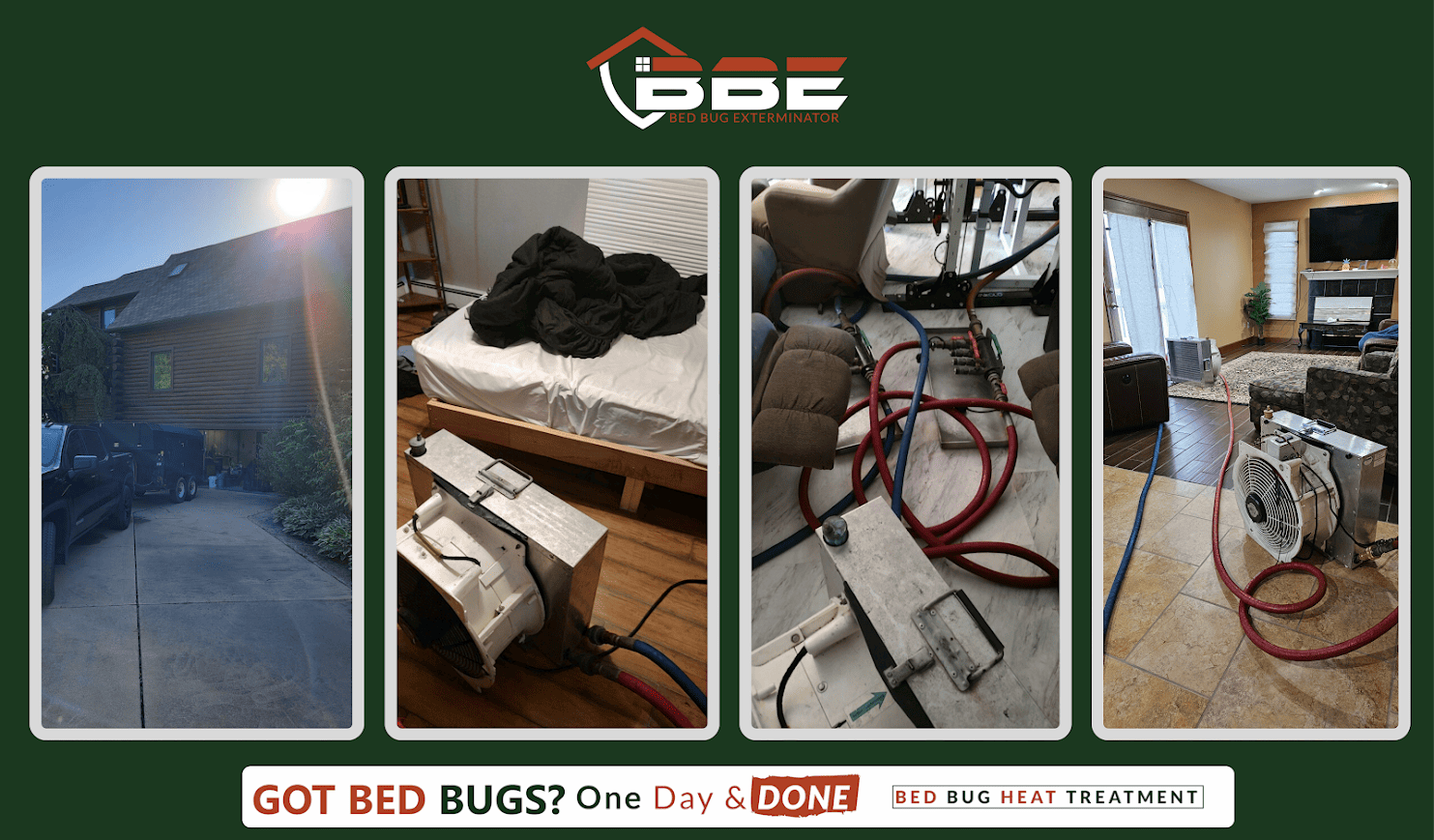
Effective bed bug treatment requires a clean and organized environment. Before a heat treatment, it is essential to declutter spaces where bed bugs are likely to hide.
Items such as clothing, books, and toys can provide hiding spots, complicating the extermination process. Homeowners should remove unnecessary items from bedrooms, living areas, and hallways, ensuring that all surfaces are clear.
Organizing furniture is equally important. Moving beds and couches away from walls can help expose potential nesting sites. Additionally, keeping items off the floor allows for better heat circulation during treatment. It is advisable to store belongings in sealed plastic containers to prevent re-infestation.
Sorting and organizing items is an essential step in preparing a home for bed bug treatment. This process allows homeowners to identify which belongings may be infested and which are safe. It is advisable to tackle one room at a time, focusing on closets, drawers, and under furniture.
Items should be categorized into keep, discard, and donate piles. Homeowners should pay special attention to clothing, bedding, and soft furnishings, as these are common hiding spots for bed bugs.
By decluttering and organizing, individuals create a more manageable environment for pest control professionals. This step not only aids in the treatment process but also promotes a cleaner and more organized living space.
After sorting and organizing items, the next step involves bagging and sealing belongings to prevent the spread of bed bugs. Each item should be placed in a plastic bag, preferably one that is heavy-duty and resealable.
This method guarantees that any potential bed bugs or eggs are contained and unable to escape. It is essential to label each bag clearly, indicating its contents and the room it originated from. Care should be taken to handle all items gently to avoid dislodging hidden pests.
Additionally, using a vacuum to clean bags before sealing can help eliminate any residual bugs. Finally, all sealed bags should be stored in a designated area away from treated spaces to maintain the effectiveness of the heat treatment.
Optimizing the heating system is essential for effective bed bug treatment. Guaranteeing proper equipment functionality begins with a thorough inspection of all heating components. Professionals recommend checking that all heaters are operational and free of obstructions.
It is critical to verify that any portable heating units are in good working condition, as they may be necessary for targeted areas. Regular maintenance, such as cleaning filters and checking for leaks, can enhance performance.
Additionally, confirming that the electrical system can support the increased power demand during treatment is essential. By addressing these factors, homeowners can help guarantee the heating system effectively reaches the necessary temperatures to eliminate bed bugs, leading to a successful treatment outcome.
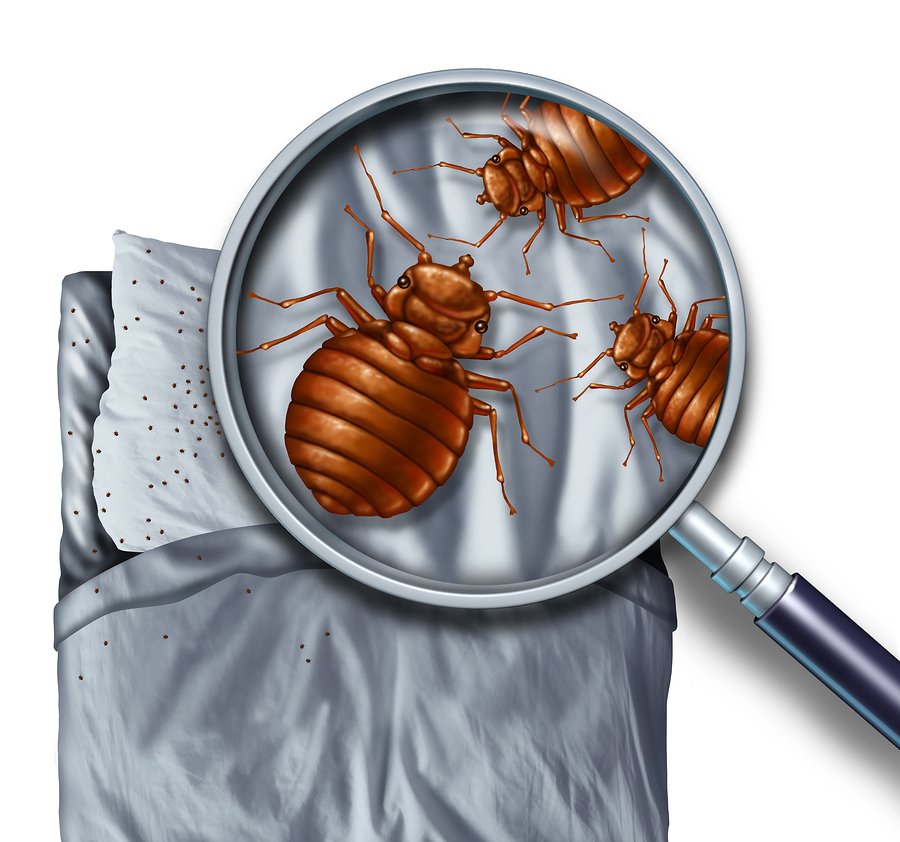
Heat treatment is generally safe for pets, provided they are removed from the area during the process. Care should be taken to guarantee that all pets are kept at a safe distance from the heat source.
Heat treatment generally poses minimal health risks when conducted properly. However, improper application can lead to equipment damage or overheating, potentially causing fires. Individuals should consult professionals to guarantee safety and effectiveness during the process.
During bed bug heat treatment, belongings are often placed in protective coverings or removed from the premises. High temperatures effectively eliminate pests, ensuring that personal items remain safe while undergoing the necessary treatment process.